Louisville Roof Pros: Roof Replacement, Repair & Low-Slope
Expert residential and commercial roofing services. Free inspections across Jefferson, Bullitt, Oldham, Shelby and Nelson counties.
- Free inspection that follows the water to the splash block
- Permit pulled in our name wherever the work actually requires one
- Every run hose tested before we leave
Our Roofing Services in Louisville, KY
Roof Replacement
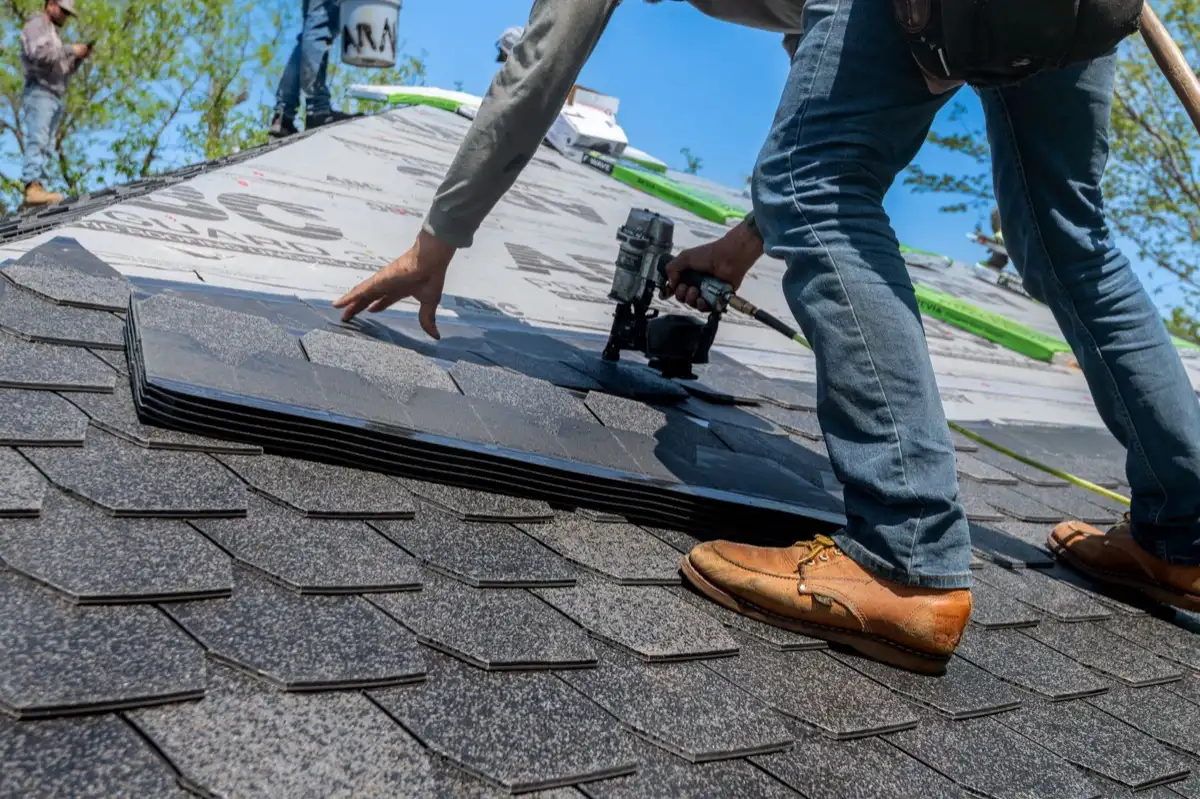
Read a Louisville roof estimate and you will usually find one number per square. That structure hides the part of the job most likely to be the reason you called, so ours breaks the work into covering, underlayment and eave metal.
Roof Leak Repair
We diagnose Louisville leaks from the bottom up, which is the reverse of how most crews work. Water showing inside a wall or a basement usually entered somewhere lower and later than the shingles, and starting at the ridge means an hour spent in the wrong place.
Storm Damage Restoration
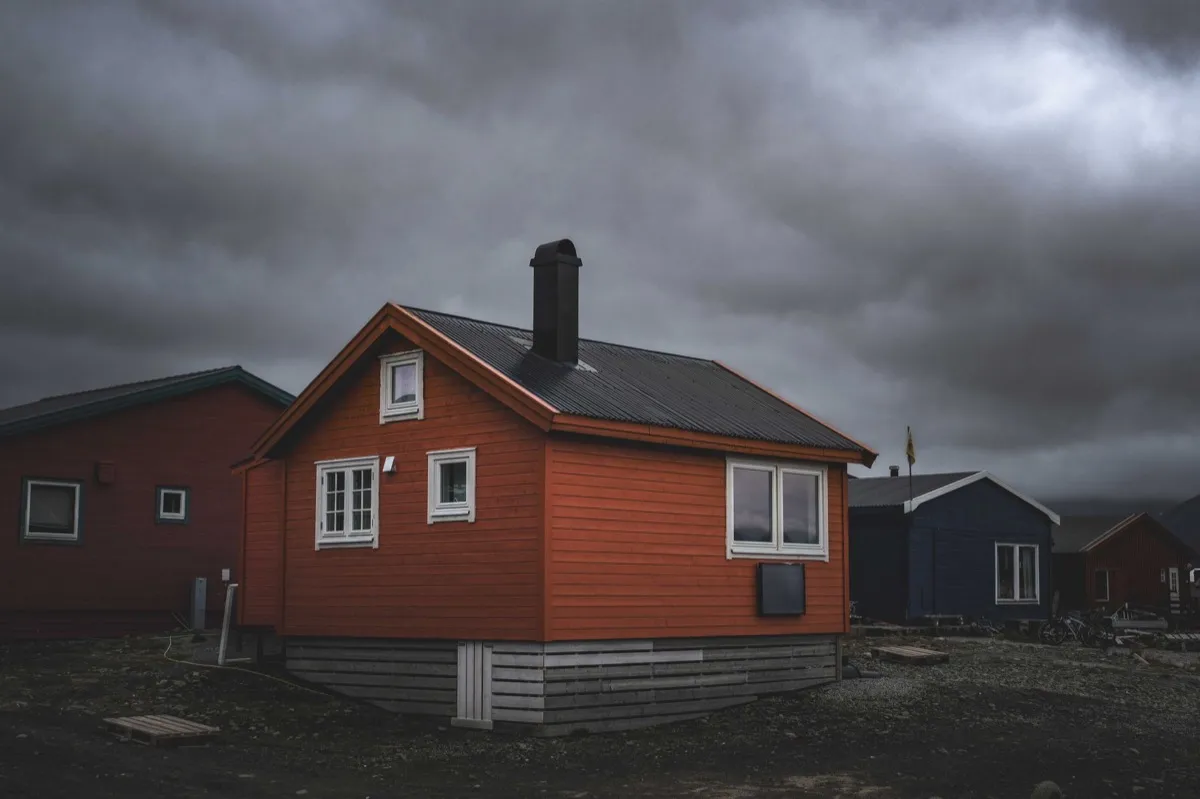
Ohio Valley storms build fast and arrive with very little warning, and what they take off a Louisville house is fairly predictable. Ridge cap first, then the rake edge, then the first two courses sitting above a gutter, and often the gutter run itself.
Hail Damage Roofing
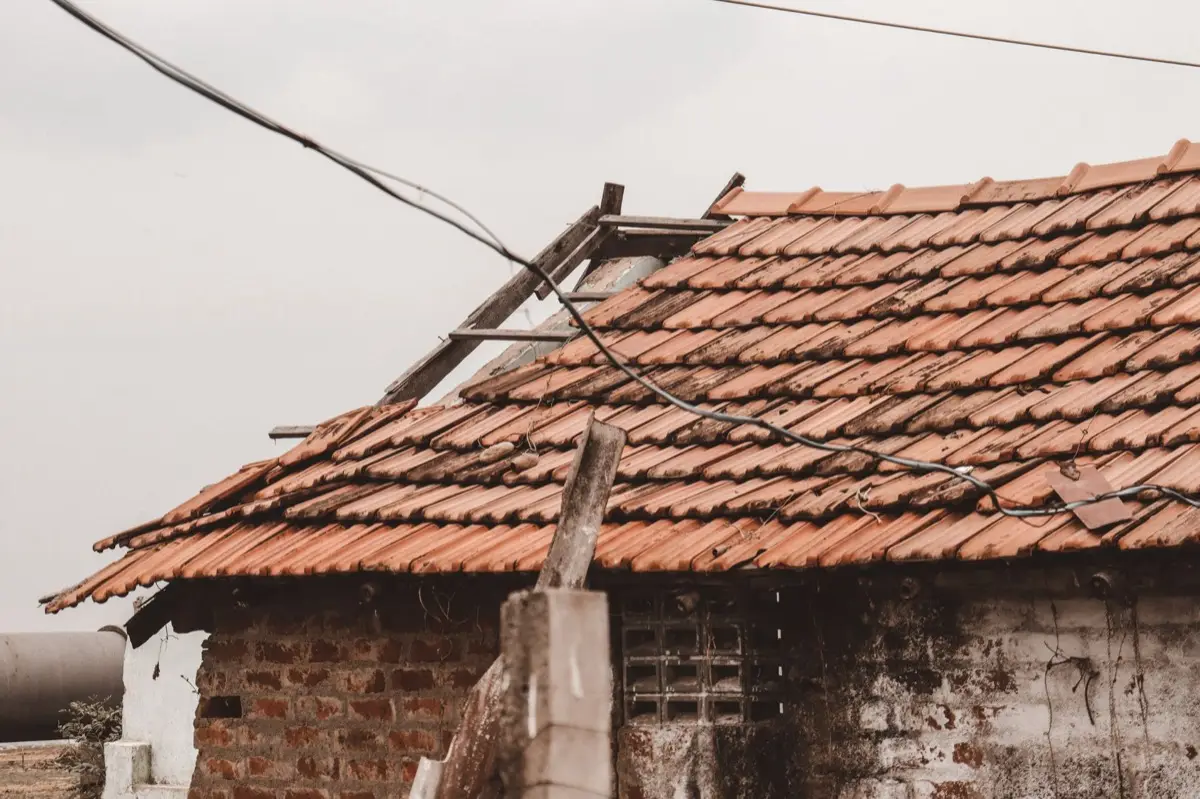
Hail reaches Jefferson County most years without making this a hail market the way Amarillo or Norman are. That difference changes what an inspection here is actually for.
Wind Damage Roofing
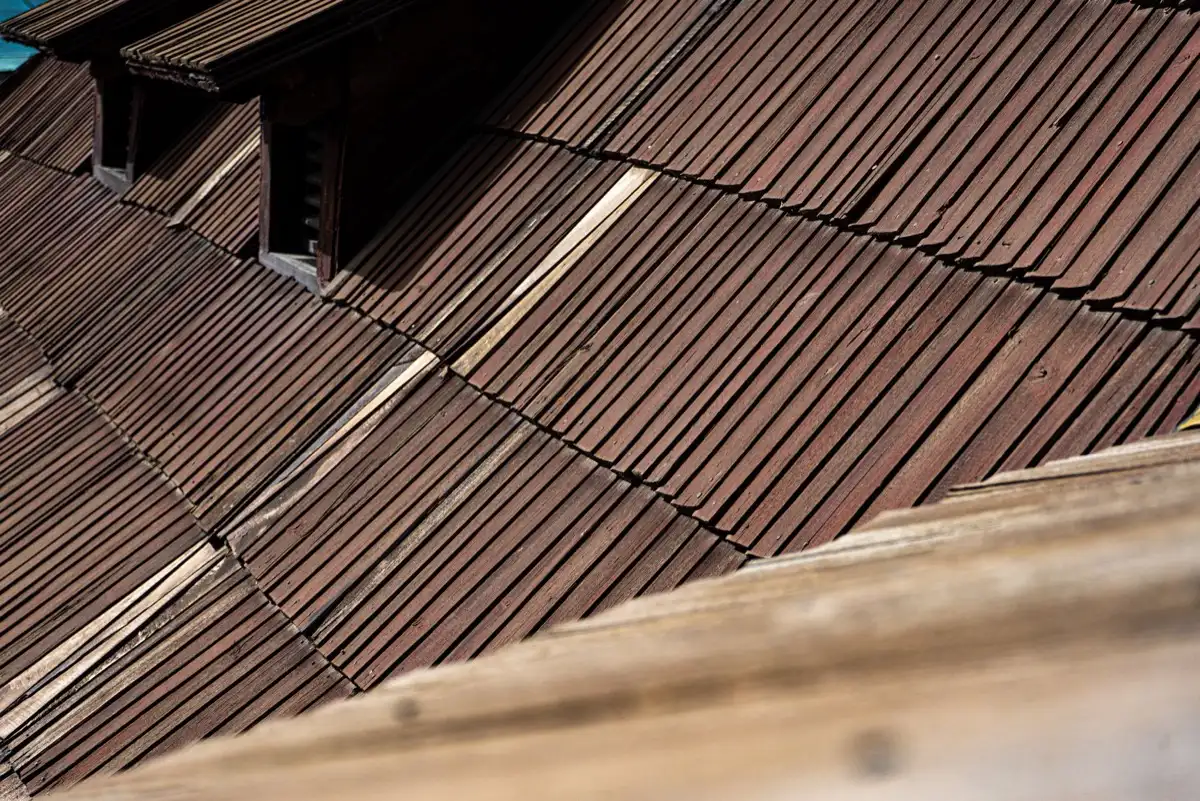
Wind does not lift a Louisville roof out of the middle. It gets under an edge and works inward from there, which is why the repair almost always begins at a perimeter and why perimeter detailing is the first thing we quote and the last thing we would ever cut.
Roof Inspections
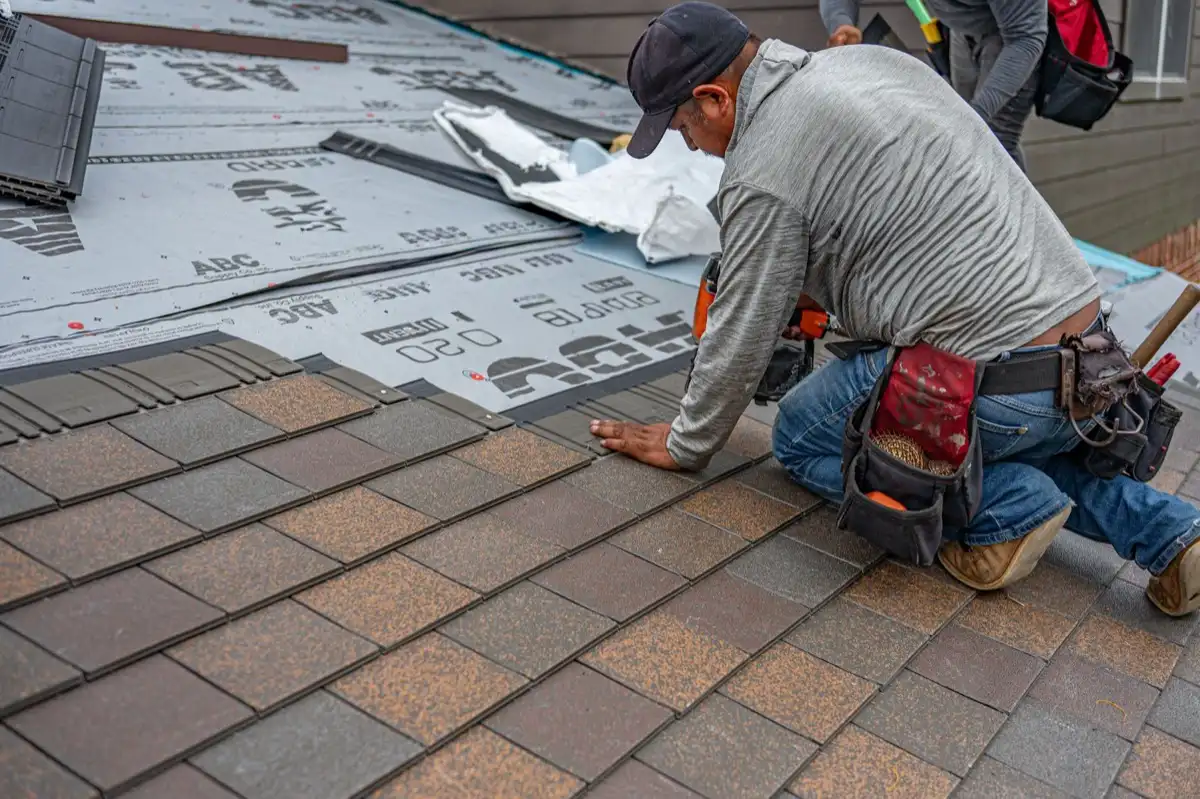
Most roof inspections in this city are a sales visit with a ladder attached. Ours produces a document: a slope diagram, dated photographs keyed to it, a remaining-life figure in years with the evidence behind it, and a numbered schedule of every downspout on the building.
Asphalt Shingle Roofs
Asphalt shingle is the right covering for most Louisville roofs and we install a great deal of it. It is also wrong for a specific part of a great many Louisville houses, and being clear about where that line falls is most of what this page exists to do.

Metal Roofing
Metal is the product our approach points at most often, and we recommend it for parts of houses more than for whole ones. On a shallow rear addition or a porch roof it solves a problem asphalt shingle cannot be made to solve at any price.

Tile Roofing
This page talks you out of something we sell. Clay and concrete tile are fine coverings, and we do not believe either belongs on a Louisville house that was never framed to carry the weight, which is nearly all of them.

Flat & Low-Slope Roofing
Residential low slope in Louisville is not a commercial deck. It is a rear addition, a porch roof, a dormer cheek or a bay top, usually under three hundred square feet, tied into a steep roof on one side and a wall on another.
Roof Coatings & Sealing
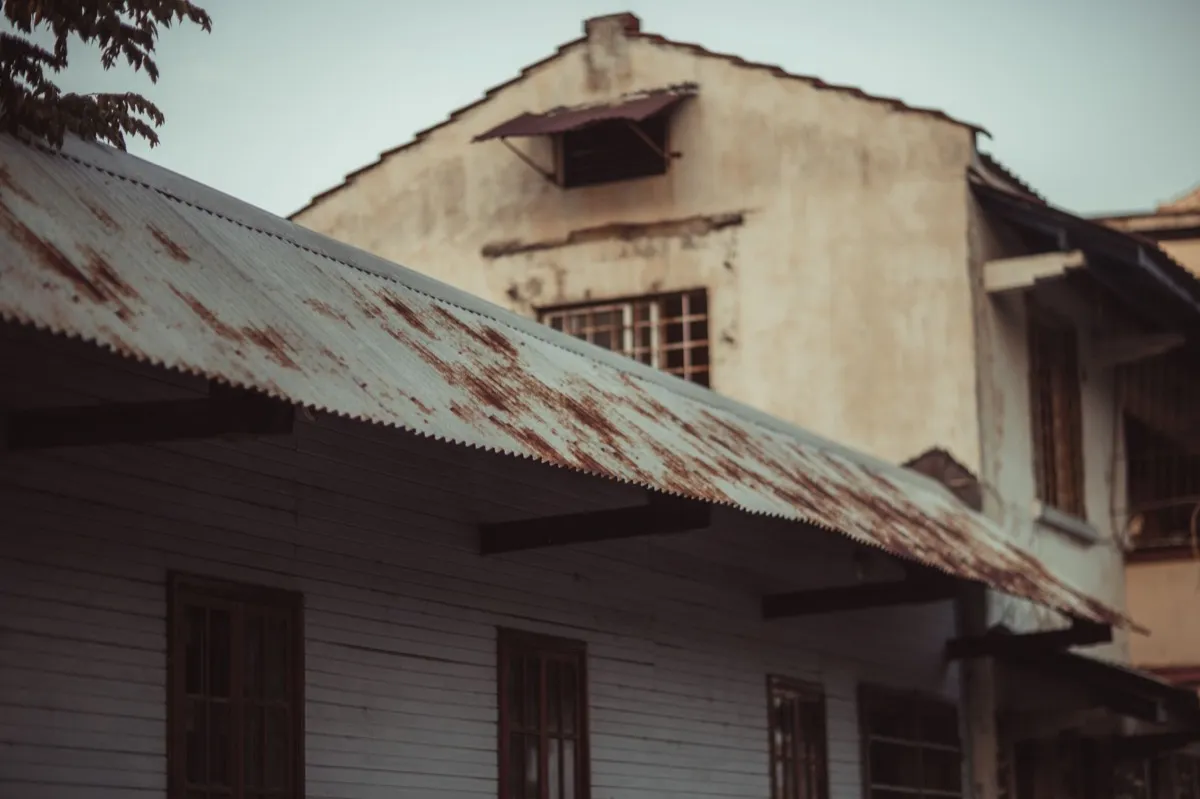
More coating inquiries end with us declining than with us quoting, and you should know that before reading on. A coating is a maintenance product for a sound assembly.
Roof Ventilation
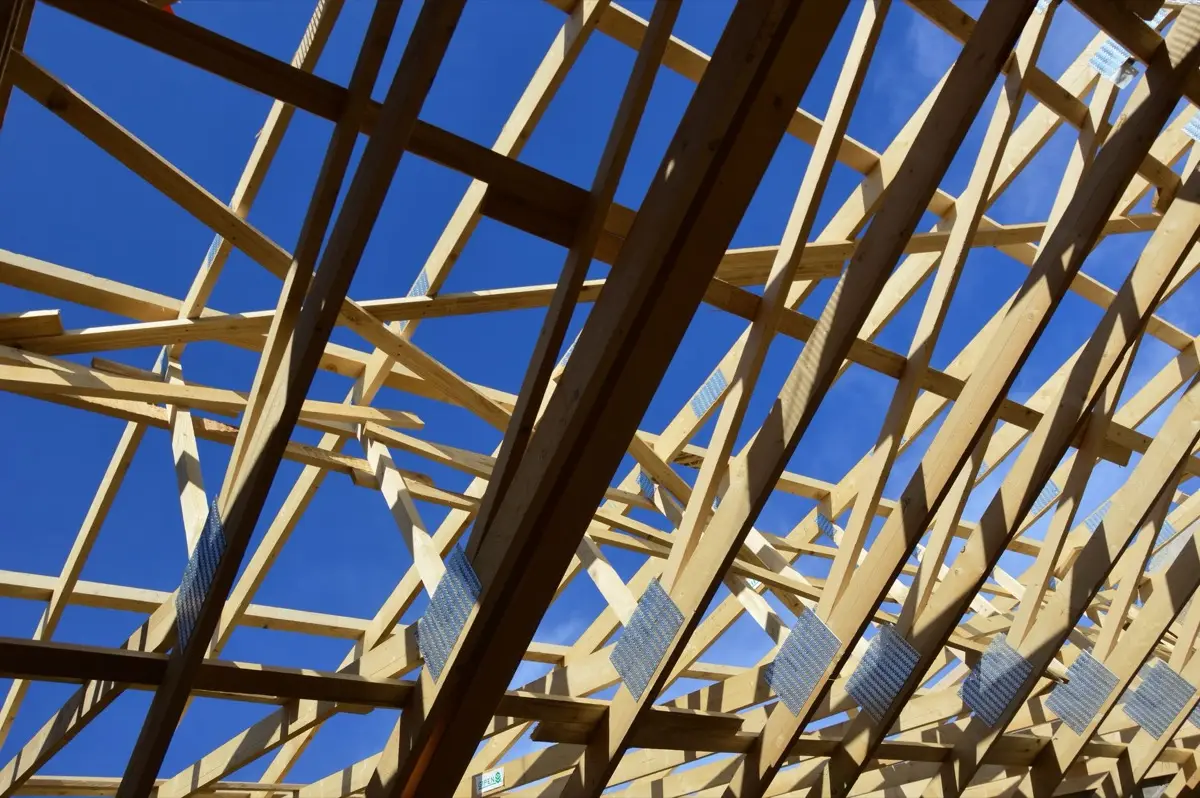
Ventilation is an intake problem in this city far more often than an exhaust problem. Almost every house with a complaint already has a ridge vent.
Skylights
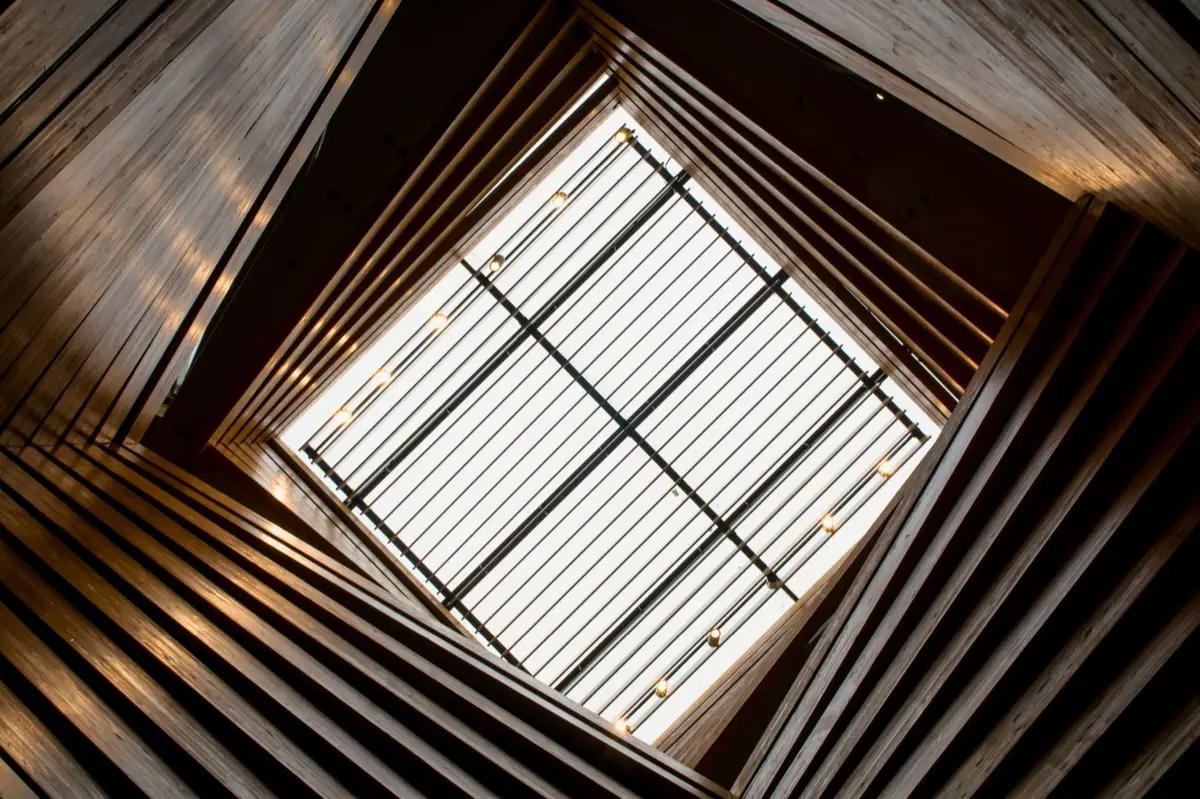
We install skylights and we talk a fair number of people out of them, often in the same conversation. The reason is specific to the houses here, and it comes down to where the light is wanted and what happens to sit above that room.
Fascia & Soffit
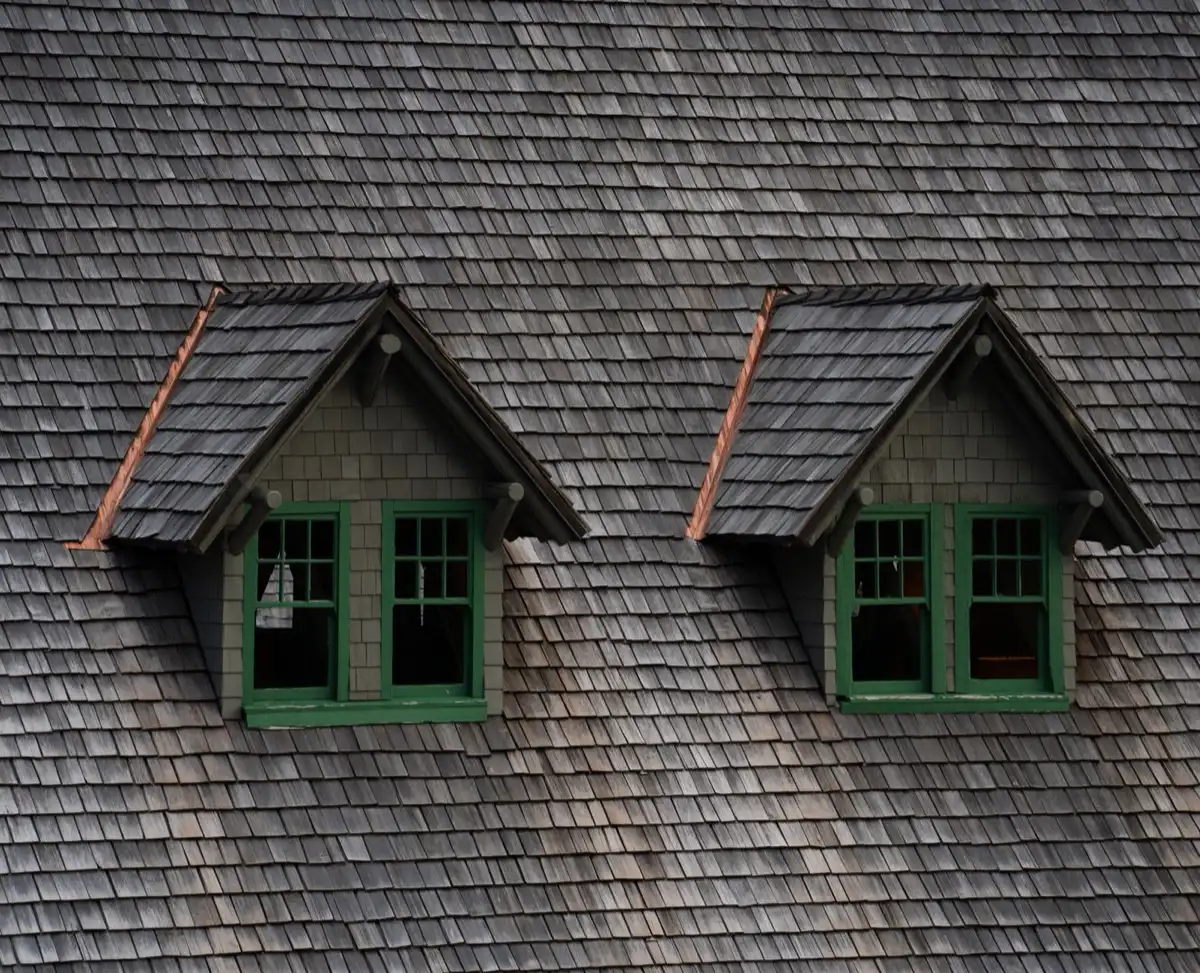
Fascia rots from behind in this city rather than from the front, and that single fact decides the sequence of the repair. Wrapping a rotten board in aluminum coil without dealing with whatever wetted it is the most reliably wasted money in Louisville.

Chimney Flashing
Louisville is a masonry city, and that changes what a correct chimney flashing looks like. Counter-flashing has to be let into a mortar joint.

Commercial Roofing
A commercial low-slope roof is a drainage assembly with a waterproof layer on top, and we scope it in that order. Drains, scuppers, overflows and falls first.
Insurance Claim Help
We are a roofing company and not a public adjuster, and Kentucky draws that line clearly. We will not negotiate for you, read your policy back to you, or say what you are owed.
Louisville Roof Pros replaces and repairs roofs across Jefferson County: architectural asphalt shingle, standing seam and exposed-fastener metal, self-adhered modified bitumen on low-slope rear additions, plus the flashing work that decides how long any of the rest of it is going to last.
Most inspections in this city stop at the drip edge. Ours do not, because in Louisville the roof is only the first half of the system. The older sewer districts here are combined, meaning one pipe carries both wastewater and stormwater, and MSD has been working under a federal consent decree since 2005 to fix what that arrangement causes across Jefferson County.
That has a practical consequence for a homeowner. Where your downspouts land is regulated rather than decorative, and a roof dropping its water in the wrong place shows up as a wet basement rather than a stained ceiling. So we inspect the covering, the eave metal and the discharge point together, and we say plainly when the problem is the gutter rather than the roof.
What Louisville Customers Say
The rear addition on our house had been shingled at about two in twelve by whoever owned it before us, and it leaked every spring. They took it back to the deck, put a self-adhered membrane on it and tied it into the main roof properly. Straight answers the whole way.
Storm took most of the ridge off and half a gutter run with it. They tarped it the same evening and had the metal and the covering back on inside a week. What I appreciated was the estimate being broken out, so I could see what the insurer was and was not covering instead of guessing.
I called about a skylight and they talked me out of it, which I did not expect. Explained that the slope on that section would put a curb right in the drainage path and showed me where the last one had leaked. We did a tube instead and spent the difference on new eave metal. Honest to their own cost.
Why Louisville Chooses Louisville Roof Pros
- ✓We inspect the covering and the discharge as two separate questions, because in this city they fail for different reasons and at different times.
- ✓Every gutter run is hose tested from the far end before we leave, so you watch it drain instead of reading about it.
- ✓We will tell you when the leak you called about is an outlet or a leader rather than the roof, and we will not quote you a roof to fix it.
- ✓Low-slope rear additions get modified bitumen or a metal pan, and we decline to shingle anything under three in twelve.
- ✓No coating quoted over a wet assembly, no second layer to hit a number, and the reason for both goes in writing.
About Louisville Roof Pros in Louisville, KY
Louisville Roof Pros works the Kentucky side of this metro: Jefferson County first, then Bullitt, Oldham, Shelby, Spencer and Nelson. We do asphalt shingle, standing seam and exposed-fastener metal, self-adhered modified bitumen and single-ply on low slope, and all the sheet metal in between. What we do differently is refuse to quote a covering without first checking where its water ends up.
That comes from what the calls actually are. In a combined-sewer city with basements under most of the older stock, a roof that drains badly does more expensive damage below grade than above it. So our inspections follow the water past the drip edge, our estimates itemize the eave metal separately, and we hose test every run before we leave.
Do not hire us if you want the cheapest number on the street. We will not overlay a second layer of shingles to hit a price, we will not coat a wet assembly, and we will not put a curb-mounted skylight in a shallow rear addition no matter how much you want the light.
If those are the answers you are after, another company will give them to you, and we would rather say so on the first visit than argue about it in October.
How It Works
- 1
Inspection From The Ridge To The Splash Block
We walk what we can walk safely, use a pole camera on the rest, then follow the water down: valley, eave, gutter, leader, and wherever it lands. We open the attic when there is access. You get dated photographs of every penetration and flashing plus a note on each downspout outlet and where it discharges.
- 2
A Written Scope With Every Line Priced Separately
Covering, underlayment and eave metal are separate line items, never one number per square. That is deliberate. It lets you see that the leak you called about may be a blocked gutter outlet and not a fourteen thousand dollar roof, and it lets you decline any line you do not want.
- 3
Permit Pulled, Work Sequenced By Weather
Where the job reaches the deck or the rafters, Metro requires a permit and we pull it in our own name so the inspection record follows the address. On a covering-only reroof it usually does not, and we say so rather than invoicing you for paperwork nobody asked for. We tear off only what we can dry in the same day, which matters in a valley that produces fast summer storms with very little warning.
- 4
Flow Tested, Photographed, Then Closed Out
Before we leave, every gutter run gets water put through it from a hose at the far end, so you watch it drain rather than take our word. Repairs are hose tested at the failure point. You get the closeout photographs, the permit number where a permit issued, and the workmanship warranty in one file.
Commercial Low-Slope Roofing And Drainage For Louisville Properties
Louisville's small commercial stock is mostly low slope over masonry: storefront blocks on Bardstown Road and Frankfort Avenue, warehouse bays off Bluegrass Commerce Park, church halls, medical suites and apartment buildings across the county. On those roofs, drainage is the whole job.
We survey the existing drains, scuppers and overflow paths first, take moisture readings and core cuts where the membrane history is unclear, and price internal drainage corrections as their own line so a bid can be compared honestly against another bid.
We work in phases with each day's area dried in, because a tenant cannot close for a week and an occupied building cannot take a surprise. Because MSD's drainage service charge is tied to how a site handles its stormwater, we also flag when a roof change puts a property owner in a position to ask MSD about a credit.
- ✓Core cuts and moisture readings before any recommendation, so re-cover against tear-off is a measured decision
- ✓Sixty-mil TPO, two-ply modified bitumen or standing seam, specified by slope and traffic rather than by habit
- ✓Tapered polyisocyanurate, crickets and new sumps to correct ponding instead of coating over it
- ✓Drain bowls, clamping rings, strainers and overflow scuppers itemized as their own line
- ✓Phased tear-off with every day's area dried in before the crew leaves the site
- ✓Roof plans numbered by section so next year's inspection compares against this year's
- ✓Night and weekend work for tenants who cannot lose a trading day
- ✓Flood test at the drains and photographs of every completed termination at closeout
Service Areas
Louisville Roof Pros serves Louisville, KY and surrounding communities including:
Recent Projects Across the Kentucky side of the Louisville metro
Frequently Asked Questions
Do I need a permit to replace a roof in Louisville?
Usually no, and the city says so itself. Louisville Metro Construction Review publishes that in general reroofing does NOT require a building permit and that there are therefore no inspections by the building department for that work - UNLESS structural parts of the roof are being replaced, the roof deck or the rafters, and then a permit is required.
So the honest answer is that the permit follows the DECK, not the covering. Two things change that. One city here will not let Metro issue at all until it signs a Letter of Compliance, and it will not sign until every subcontractor holds that city's own business license.
And eleven of the twenty-five towns we serve are in five other counties where Metro has no jurisdiction whatsoever. Ask us which of those you are in.
Is my roofer licensed by the Commonwealth of Kentucky?
No roofer is, because Kentucky does not issue a statewide roofing license. The state licenses electricians, plumbers, HVAC and a few other trades through the Department of Housing, Buildings and Construction, and roofing is simply not on that list. So the license question is the wrong question here. Ask instead for the permit history, a current general liability certificate naming you, and proof of workers' compensation before anyone sets a ladder.
Can my downspouts drain into the sewer?
Not into the sanitary side. MSD's discharge regulations and the Kentucky State Plumbing Code require roof water to reach a storm sewer or above-ground drainage instead. Downspouts, sump pumps, foundation drains and stairwell drains tied into a sanitary line are treated as improper connections, and MSD publishes the arithmetic: it takes very few connected houses to overload an eight-inch sanitary main. That overload is what backs water up through basement floor drains.
My basement gets water but my ceiling is dry. Is that a roof problem?
Often, yes, and it is the most common misdiagnosis we see in the older Louisville neighborhoods. A thousand square feet of roof sheds a lot of water in a Kentucky thunderstorm, and if the trough is undersized, the outlet is blocked or the leader dumps two feet from a foundation wall, that volume goes down instead of away. Nothing about the shingles will look wrong. We check the discharge first on any wet basement call.
What should go on the low-slope roof over the back of my house?
Not shingles, in most cases. A lot of Louisville houses carry a rear addition or a porch roof well under four in twelve, and shingles on that pitch depend on an underlayment detail the original builder rarely used. Our usual recommendation is self-adhered modified bitumen or a standing seam pan, both of which will drain a shallow plane without asking a shingle lap to hold water back.
Does MSD pay for any of this work?
Not for the roof. MSD's green infrastructure program has offered one-time incentives for disconnecting downspouts from the combined system, and it offers credits against the drainage service charge for property owners who manage stormwater on their own site. Programs and amounts change, so we will not quote a figure. If our inspection shows a downspout tied into the combined system, we will tell you and point you at MSD to confirm what is current.